Climate change, energy crises, and global supply-chain shocks are reshaping the world economy. From a traditional focus on output and profit, international trade and investment are increasingly governed by strict requirements for sustainability, emission reduction, and social responsibility. Nowhere is this shift clearer than in Europe, where ambitious environmental policies are already in force. In this context, one statement rings true: only businesses that pioneer green technologies will survive and grow in the new economic order.
For Vietnam, this reality is even more striking as the country implements new development resolutions built on four pillars: rapid and sustainable growth; innovation and digital transformation; a green, circular economy; and improved living standards. Vietnamese companies cannot stand aside, since one of their largest export markets, the European Union, is rapidly moving toward green standards. This article explains why green technology is now essential, draws lessons from the Nordic region, Europe’s frontrunner in green transition, and outlines strategic implications for Vietnamese enterprises.
The new green order and pressures from Europe
A major global policy turning point is the EU’s Carbon Border Adjustment Mechanism (CBAM). CBAM imposes a carbon price on imports with high greenhouse-gas intensity, initially covering steel, cement, aluminum, electricity, and fertilizers. When the mechanism enters its fee-collection phase in 2026, exporters to the EU, including Vietnam, will need to certify the embedded emissions of their products. Without green technology to cut emissions, those products will lose competitiveness.
CBAM is only one piece of the puzzle. The EU is also enforcing a Chemicals Strategy for Sustainability, an Action Plan for the Circular Economy, and a roadmap to phase out single-use plastics. These rules directly affect Vietnam’s key export sectors such as textiles and apparel, plastics, wood products, and seafood. As a result, green technology is no longer optional, it is a precondition for market access.
Lessons from the Nordics: Green technology as competitive edge
The Nordic region is considered a “global laboratory” for the green transition. The countries in this region have set ambitious climate goals and moved ahead of the rest of Europe in pursuing them. Denmark, Finland, Sweden, Norway, and Iceland have all outlined clear pathways for reducing greenhouse gas emissions by 2030 and achieving carbon neutrality earlier than the EU’s overall commitment.
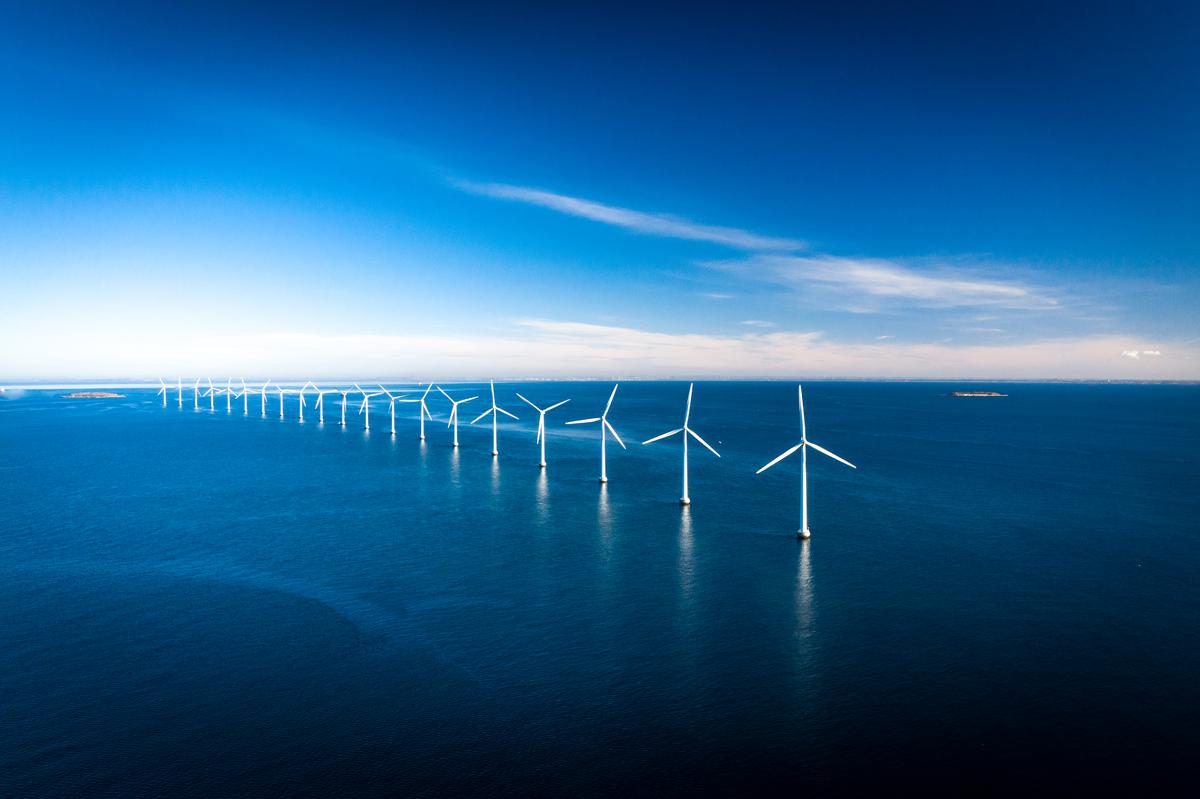
Denmark leads the way with a target of cutting emissions by 70% by 2030 compared to 1990 levels and achieving climate neutrality by 2050. The country is also a global pioneer in offshore wind energy, with strong capabilities to export clean energy technologies and services.
Sweden has set its carbon neutrality goal for 2045 and has already achieved impressive emission reductions over the past three decades. The government has focused heavily on the transport sector, aiming to reduce emissions by 70% by 2030 compared to 2010, while making large-scale investments in renewable energy and green infrastructure.
Norway has committed to a 55% emissions reduction by 2030 and carbon neutrality by 2050. It is recognized for its green transition in the transport sector, where a mix of tax incentives, charging infrastructure expansion, and consumer support has resulted in electric vehicles accounting for over 80% of new car sales, a global success story in green technology commercialization.
Finland has set its carbon neutrality goal for 2035, much earlier than many EU member states, while Iceland is targeting 2040. Both countries are investing in renewable energy solutions and carbon removal technologies to meet their long-term climate goals.
These examples show that green technology is not just helping Nordic countries achieve ambitious climate goals, it has also become the foundation of their national competitive advantages. Businesses in the region are not only leading clean tech innovation but also expanding globally as solution providers and green product suppliers, shaping strategic positions in international value chains.
Positive economic impacts of green transition in the Nordics
Real-world experience and economic modeling in the Nordic countries show that green transition is not a drag on economic growth. Instead, it opens new competitive spaces, where pioneering green technology companies drive structural transformation at both national and regional levels. Once governments provide clear policy frameworks, from carbon taxation to renewable energy incentives and regional strategies, the private sector quickly emerges as a key driver of growth.
In Denmark, the introduction of carbon taxation prompted capital and labor to move rapidly from capital-intensive sectors toward green industries such as renewable energy, smart logistics, and low-carbon technologies. Consumption, investment, and exports remained stable and even strengthened as green value chains expanded. Businesses played a central role in this adaptation, turning policy pressure into competitive advantage.
In Norway, the oil and gas industry, traditionally the backbone of the economy, was not “eliminated” but strategically restructured. Electrifying offshore platforms, investing in CCS, offshore wind, and green hydrogen allowed energy companies to cut emissions while expanding their technological and market capabilities. This proactive shift enabled Norway to remain globally competitive in energy without triggering regional economic disruptions.
Meanwhile, Sweden demonstrates a different pathway: treating green transition as a regional development strategy. In Norrbotten and Västerbotten, pioneering companies such as Northvolt, Hybrit, and H2 Green Steel are leading a new wave of reindustrialization with zero-emission technologies. This investment wave not only creates tens of thousands of new jobs but also fuels the growth of an entire ecosystem of supporting industries, from materials and energy infrastructure to logistics and green skills training.
All three cases reveal a common pattern: green transition drives growth when businesses lead the charge. It is the private sector, not just government, that transforms climate policies into opportunities for market expansion, technological innovation, and competitive advantage. This is a critical message for Vietnam: to avoid being left behind in the new global order, businesses must become active agents in the green transition.
Implications for Vietnamese businesses
For Vietnam, green technology is a survival strategy. Steel, cement, textiles, seafood, and wood, all major export industries with high emission intensity, will be directly exposed to CBAM and other EU green rules. Without technological transformation, losing export market share is inevitable.
There are encouraging signs of early action. Notably, Sweden’s Syre Group is investing about USD 1 billion in a polyester-recycling complex in Gia Lai Province, aiming to make Vietnam a hub for circular textile fibers in global supply chains. This flagship investment shows that Vietnam can attract large-scale green and circular-economy projects if it continues to improve regulatory frameworks, clean-energy supply, and supporting infrastructure.
Broadly, Vietnamese enterprises should invest in renewable energy, optimize production to cut emissions, and ensure transparent carbon accounting. Such steps will not only safeguard EU market access but also appeal to global investors seeking sustainable production bases. Crucially, green technology aligns with Vietnam’s four development pillars: sustaining high-quality growth; fostering innovation and digital transformation; advancing a green, circular economy; and improving the well-being of citizens.
Conclusion
The world is entering a new green order, where only companies bold enough to lead in green technology will endure and prosper. The Nordic experience proves that green technology is not a cost burden but a source of competitive advantage at both national and corporate levels. For Vietnam, the time to act is now. Moving quickly will help domestic businesses maintain export markets, attract strategic investment, and secure a vital position in the emerging global green supply chain.
References
• Carbon Gap. (2025). Denmark: Regional Analysis – National Net Zero Tracker.
• Statkraft. (2024). Sweden – A Global Leader in Reducing Climate Impact.
• Nordic Council of Ministers. (2024). Regional economic effects of the green transition in the Nordic Region.
• European Commission. (2023–2025). EU Green Deal and Carbon Border Adjustment Mechanism (CBAM).
(Nguyen Thi Hoang Thuy, Head of Viet Nam Trade Office in Sweden)