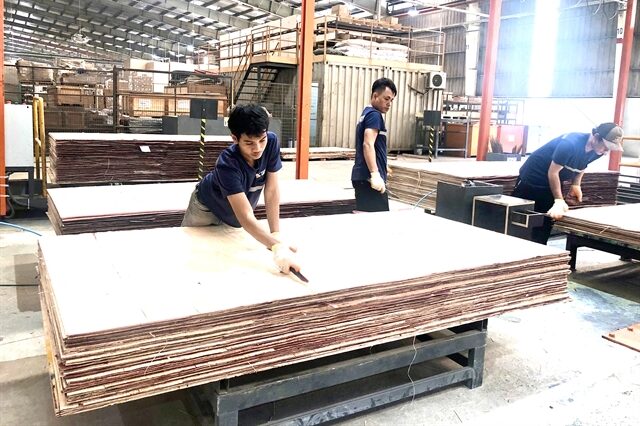
Ho Chi Minh City is targeting average annual export growth of 10–11% during 2026–2030 as it seeks to strengthen its role as Việt Nam’s largest import-export centre and develop into a regional transhipment hub. The city’s export development plan, implemented under Decision No. 4196/QĐ-UBND, combines production expansion with measures to reduce logistics costs, improve customs procedures, diversify export markets and raise compliance with international product and sustainability standards.
The plan aims to increase the share of industrial products in the city’s exports to 90% and ensure that more than 75% of exports meet the requirements of markets covered by Việt Nam’s free trade agreements. It also targets a reduction in logistics costs to around 11% and a customs administrative-procedure satisfaction rate above 95%. In the first eight months of 2026, the city’s exports rose by 7.82% year on year to US$65.83 billion. Manufacturing accounted for 76.7% of exports, while the European Union represented 14.3% of the city’s export market, behind the United States and China.
Implementation measures include attracting investment into semiconductors and clean energy, expanding warehousing and logistics infrastructure, strengthening origin controls, developing an early-warning mechanism for overseas trade-remedy risks, and encouraging cross-border e-commerce. The city also plans to support businesses in adopting cleaner technologies, meeting environmental requirements and connecting more closely with foreign-invested companies. For European and Nordic commercial partners, the plan is relevant because it links export growth with traceability, green production, digital customs, logistics efficiency and stronger use of free trade agreements. These priorities are likely to shape supplier qualification and market-access requirements for businesses participating in export-oriented value chains centred on the southern economic hub.